Highlights
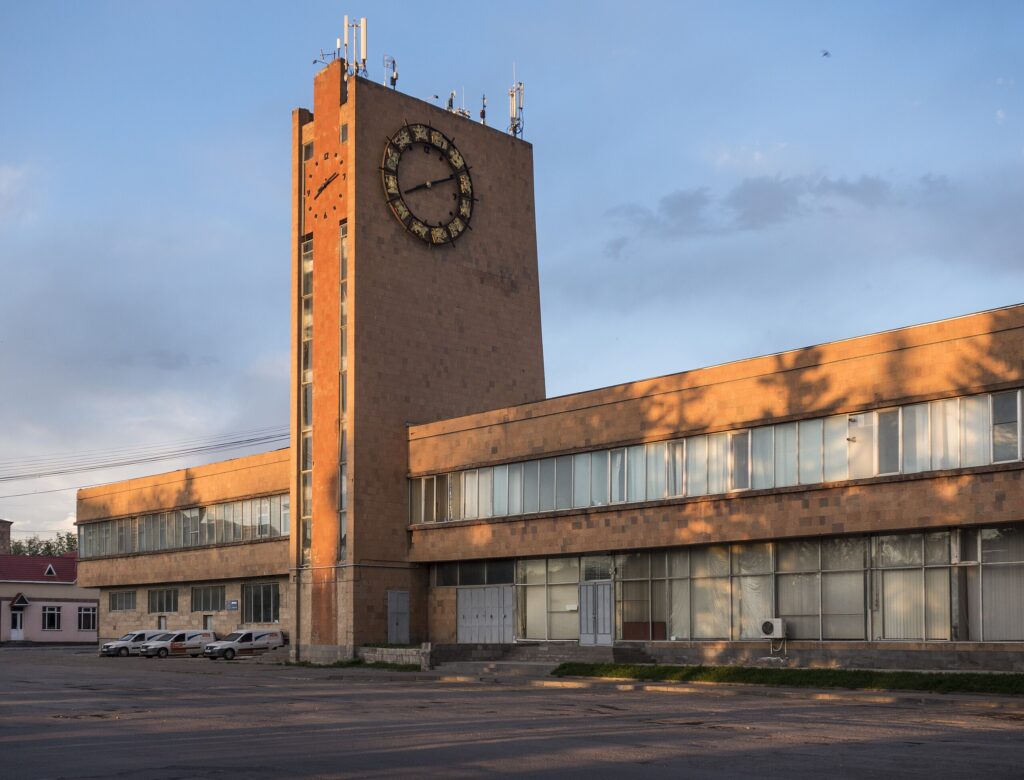
- The building preserves its unique late 19th-century architectural style.
- The station area features a small open-air museum where you can see vintage steam locomotives.
- This is the starting point for the modern high-speed electric train traveling to Yerevan.
Nearest Restaurants & Cafés
Gwoog Gastrohouse
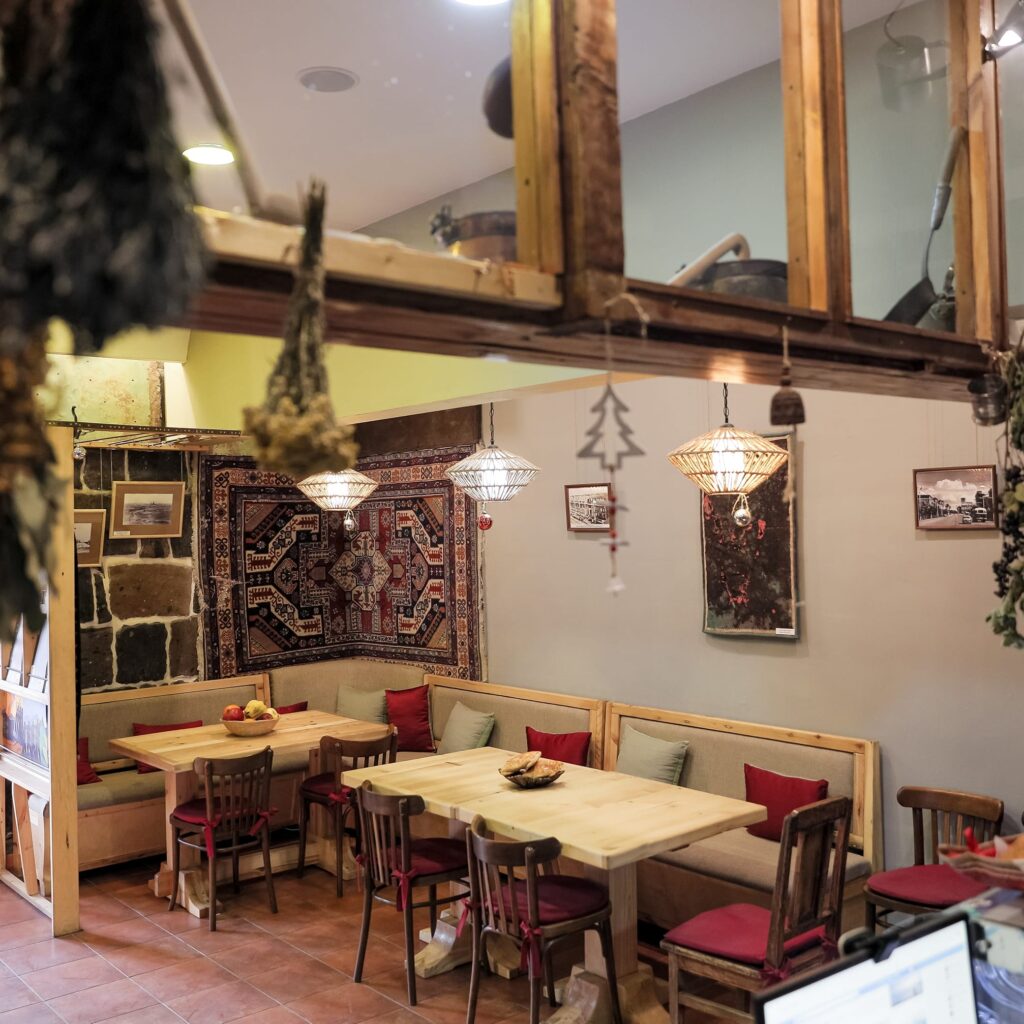
“Gwoog Gastrohouse" is a gastro house in Gyumri with an intriguing and unusual name a place where, from the very entrance, the captivating aroma of dried fruit soup made with apricots and raisins transports you to the unforgettable scents of childhood. Our small yet cozy hall is filled with a unique, family-like warmth.

Food Time
Food Time is a fast-casual restaurant in Gyumri, known for combining international and Armenian cuisines in a comfortable, family-friendly setting.Its offers a diverse menu including pizzas, sandwiches, salads, smoothies, ice creams, and sweets at moderate prices. The restaurant features influences from Japanese, Middle Eastern, Eastern European, and Armenian cuisines, catering to a broad range of tastes and dietary preferences, including vegetarian and vegan options.

Hayat Restaurant & Music Hall
Hayat Music Hall is a live music and event venue in Gyumri, offering a vibrant atmosphere for concerts, performances, and social gatherings. Known for its energetic vibe and quality sound, Hayat brings together local and guest artists, creating an engaging space for music lovers to enjoy live shows, entertainment, and memorable nights out.
Nearest Places
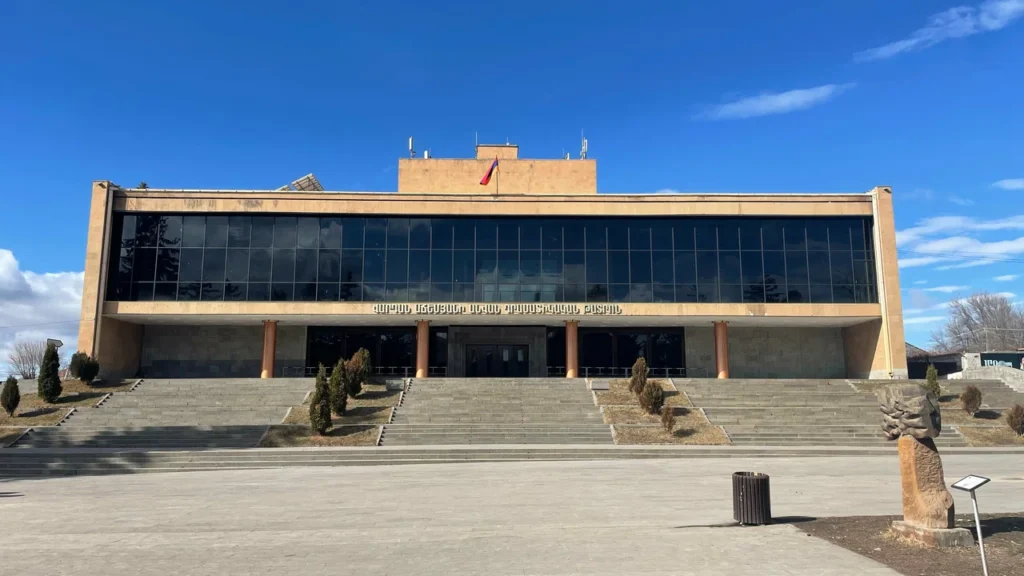
Drama theatre
The Gyumri State Drama Theater, named after Vardan Ajemian, is one of Armenia's most significant cultural institutions. Founded in 1928, it is named after the renowned director Vardan Ajemian. The theater's current building is a landmark of the city and a testament to Gyumri’s deep-rooted artistic heritage.
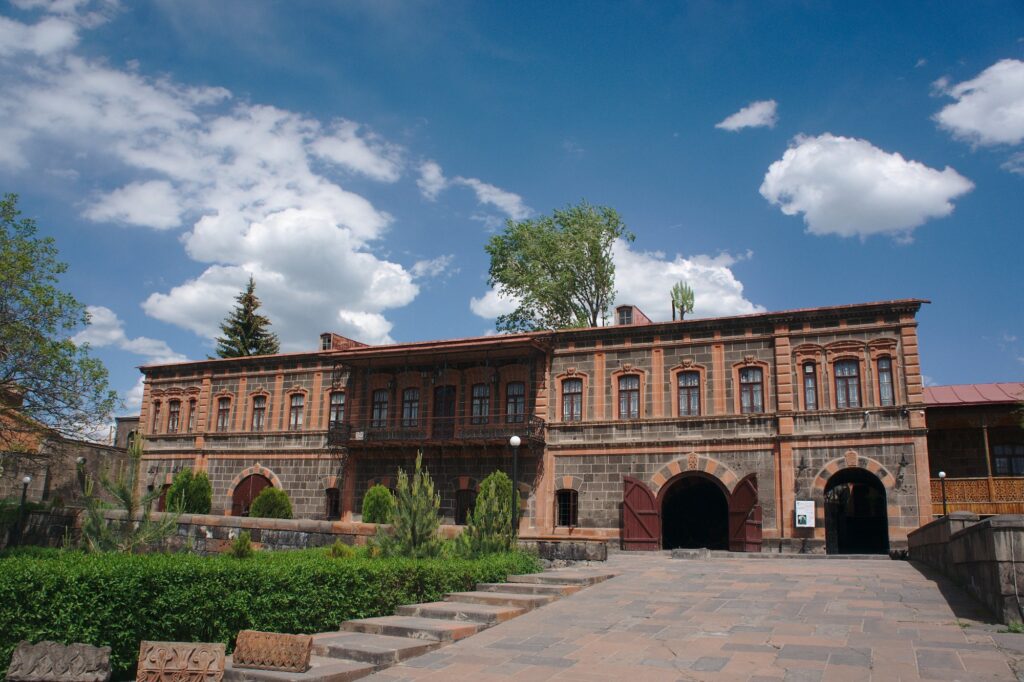
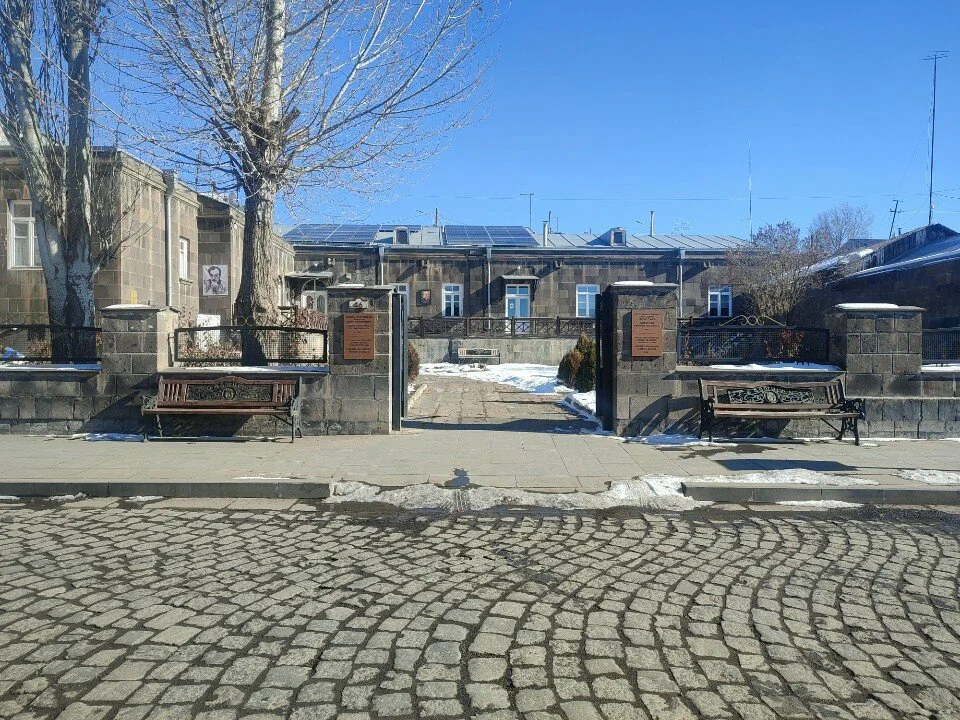
Museum of national architecture and urban life
The Museum of National Architecture and Urban Life of Gyumri is a state-run cultural institution in Gyumri, Armenia, dedicated to preserving the architectural and social heritage of the city once known as Alexandropol. Established in 1984, it occupies the historic Dzitoghtsyan family mansion, an emblematic 19th-century residence built in 1872 from red tuff stone native to Shirak.