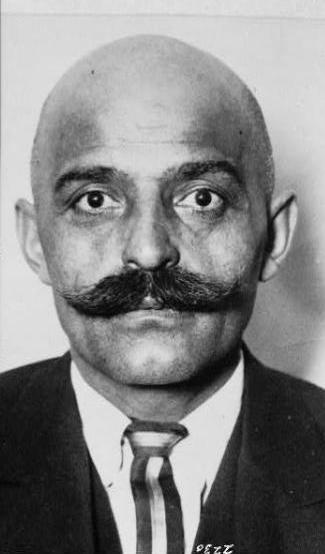
Career Highlights
- After years of travel and study, Gurdjieff shaped his unique system known as the “Fourth Way,” combining elements from various traditions to awaken human consciousness.
- In the 1910s, he began teaching in Moscow and St. Petersburg, gathering a group of students and refining his methods.
- In 1922, he founded the Institute for the Harmonious Development of Man in France, where his ideas and practical exercises, including the famous movements, were taught.
- He created a system of sacred movements and dances that integrated physical discipline with conscious attention, becoming a central part of his work.
- n his later years, he focused on writing, producing his major books that preserved and explained his teaching.
- His students carried his work forward in Europe and the United States, establishing groups and centers that continue today.
Legacy
- George Ivanovich Gurdjieff’s legacy continues to have a lasting influence on spiritual, philosophical, and cultural life around the world.
- The teaching he founded, known as the “Fourth Way,” is still studied and practiced in many countries, helping people cultivate self-awareness, attention, and inner discipline.
- His ideas influenced numerous thinkers, writers, and artists. Through the work of his students and followers, groups and centers were established across Europe, the United States, and beyond, ensuring that his teaching would be carried on to future generations.
- His books have been translated into many languages and remain important sources for spiritual seekers. The Gurdjieff Movements are still taught and performed today as a unique practice integrating body, mind, and conscious presence.
- Gurdjieff is remembered not only as a teacher but as someone who offered a new approach to self-knowledge and conscious living, leaving a rich legacy that continues to inspire people worldwide.