History & Tradition
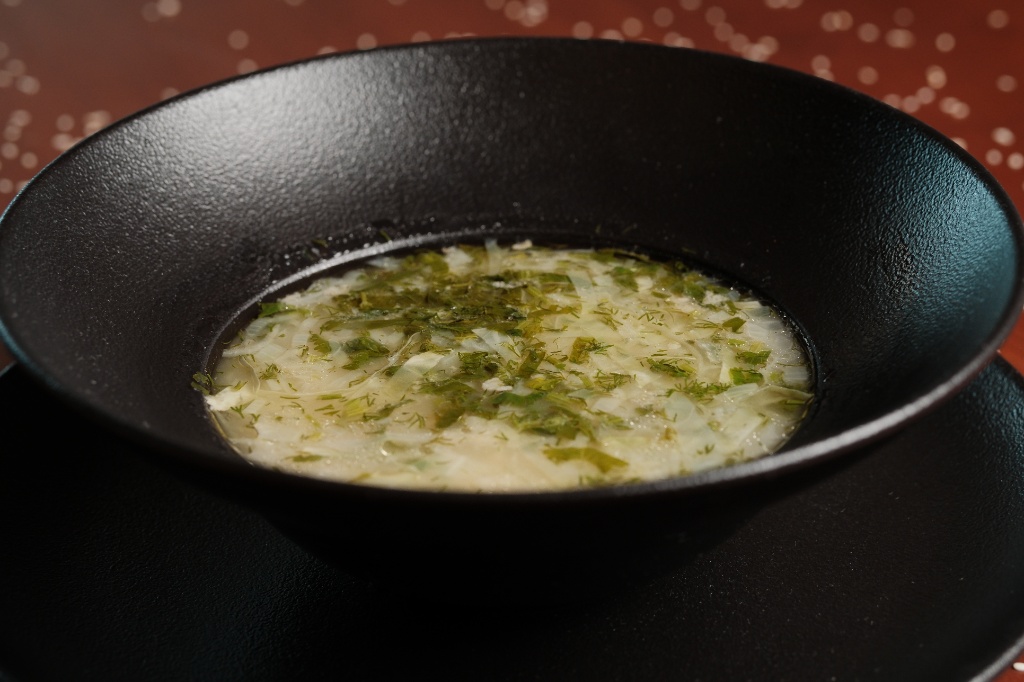
- Konjol originates from Gyumri and Shirak province kitchens, where sauerkraut was a key winter preserve. During religious fasts (Lent, Wednesdays/Fridays), meatless dishes like this used pantry staples sauerkraut and groats. It's a rustic, family-style soup especially cherished in Gyumri (often called krchik there). Today it's popular in home cooking and restaurants as a nostalgic Lenten or winter classic.
How It’s Served
- Hot as a main course or first dish. Served in bowls topped with fresh herbs (cilantro, dill, mint), sometimes garlic slices or extra red pepper. Pairs wonderfully with homemade bread, lavash, or pickles. Perfect for cold winter days or fasting tables as a comforting, filling meal.
Cultural Significance
Konjol embodies the simplicity and skill of Armenian (especially Shirak) cuisine turning basic preserved ingredients into a delicious, nutritious dish during fasts. It reflects rural traditions, family warmth, and seasonal resourcefulness.