History & Tradition
- The name of the dish is derived from the Armenian word "khashel," meaning to boil or simmer. Historically, Khashlama was a ceremonial meal prepared for special occasions, pilgrimages, and communal feasts. It has always been a hallmark of Armenian hospitality, traditionally cooked in large cauldrons to feed an entire community or a large gathering of guests.
How It’s Served
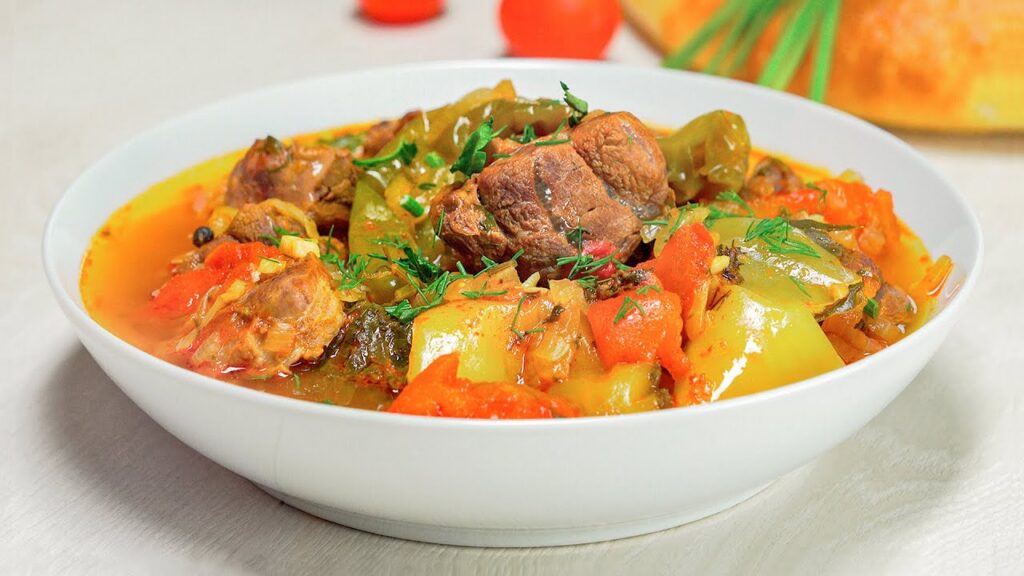
- Khashlama is served in deep bowls where succulent pieces of beef are surrounded by colorful vegetables such as potatoes, tomatoes, bell peppers, and onions. The clear, rich broth at the bottom of the dish is considered a delicacy in itself. It is finished with a generous garnish of fresh herbs like cilantro, parsley, and basil, and served alongside fresh tandoor baked lavash.